



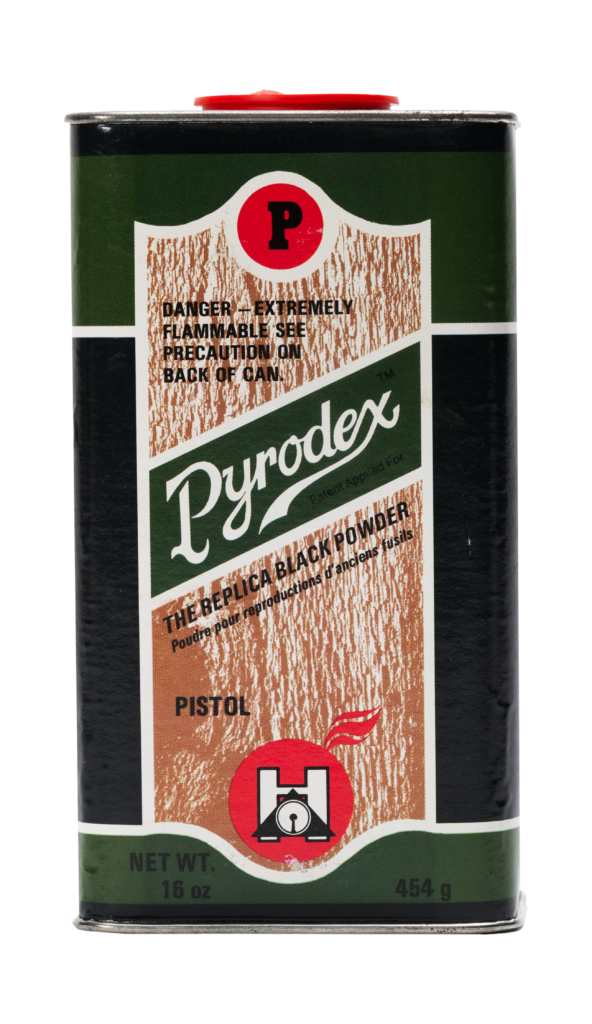
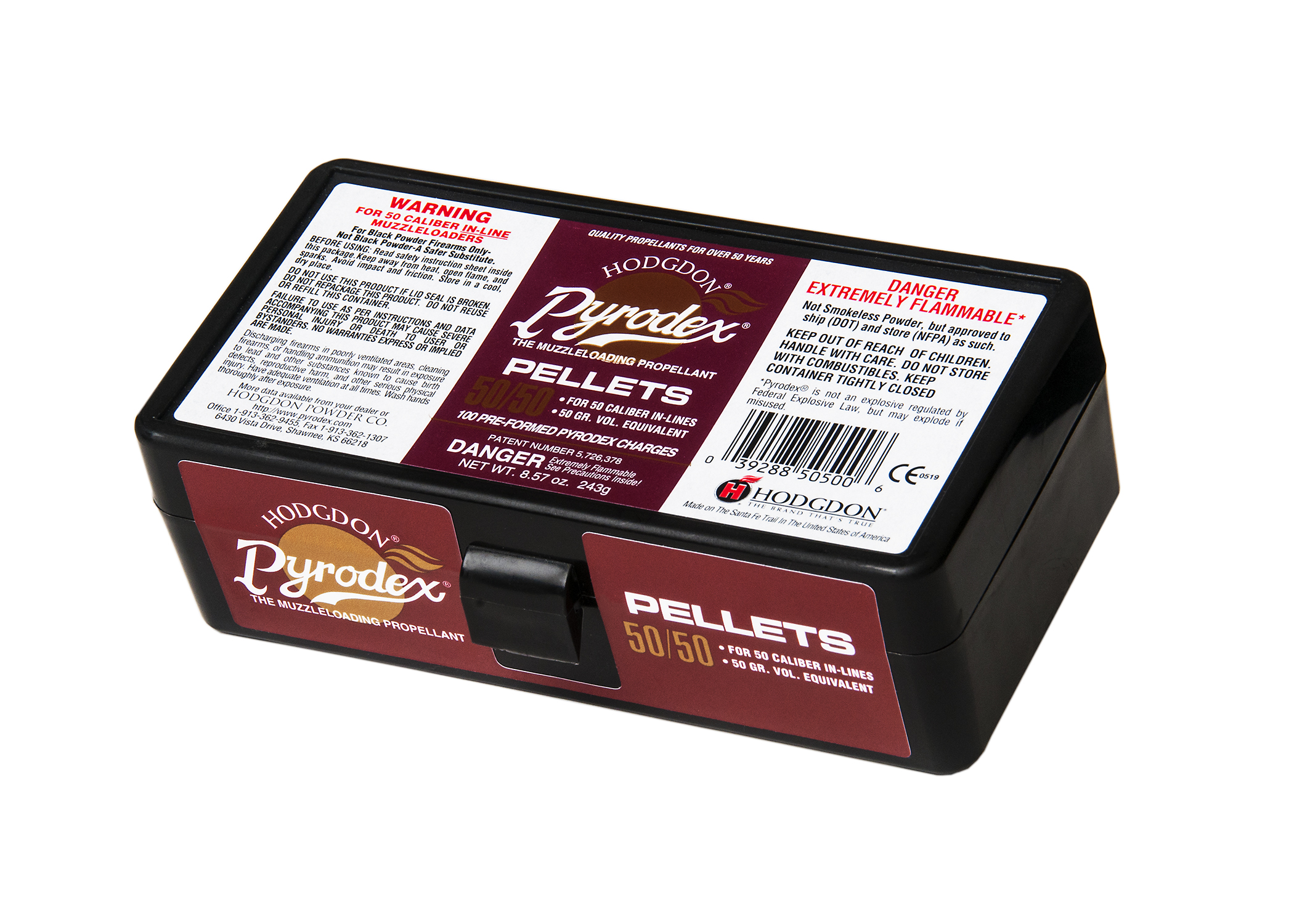
In the world of muzzleloading and handloading, we like to think the name Hodgdon resonates with handloaders and muzzleloader shooters. While our company built our legacy on pioneering smokeless and surplus powder distribution after World War II, perhaps our most revolutionary chapter began in the 1970s with the introduction of Pyrodex—a synthetic black powder substitute that changed the landscape of muzzleloader shooting and hunting forever.
The development and commercialization of Pyrodex was more than just a product launch—it was a strategic move that bridged centuries-old firearms traditions with the demands of modern performance, safety, and logistics. Pyrodex not only reshaped muzzleloading sports but also secured Hodgdon’s leading position in terms of innovation in propellant chemistry.
For centuries, black powder was the only choice for firearms. However, it came with substantial limitations. Black powder was notoriously dirty, highly corrosive, sensitive to static and spark, and produced thick clouds of smoke when fired. Worse, black powder was classified as an explosive under federal law, which meant that its transportation, storage, and retail required compliance with strict regulatory hurdles.
By the late 20th century, interest in black powder firearms was resurgent, especially among hunters, Civil War reenactors, and competitive shooters. A key factor in the renewed interest in muzzleloading during the 20th century was the remarkable recovery of the American whitetail deer. By the early 1900s, unregulated market hunting and widespread habitat loss had decimated deer populations across North America—some estimates suggest fewer than 300,000 whitetails remained nationwide. In my home state of Kansas, the situation was especially dire. Fewer than a hundred deer were thought to survive, mostly confined to remote pockets like the Flint Hills or southeastern woodlands. In fact, Kansas did not hold a legal deer season between 1904 and 1964.
To reverse these declines, state wildlife agencies launched aggressive conservation and restocking efforts. Hunting seasons were suspended, and deer were translocated from healthier populations to depleted regions. In Missouri, where numbers had dropped to around 400 deer by 1925, wildlife officials imported deer from other states to begin rebuilding the herd. Kentucky closed its deer season in 1916 and did not reopen it until 1946, after restocking efforts had taken root. Louisiana undertook one of the most ambitious programs, releasing more than 3,000 deer between 1949 and 1969 to repopulate its forests and swamps.
As deer populations recovered, states gradually reopened hunting seasons. By 1965 every state east of the Rockies had reinstated deer hunting, marking a significant milestone in conservation history. And by the 1970s, many hunters began seeking greater challenge and a deeper connection to traditional methods by adopting alternative equipment, such as muzzleloaders and traditional archery gear. But regulations, combined with safety concerns and inconsistent availability, made black powder a logistical and commercial challenge. The muzzleloading market was primed for an alternative to traditional black powder.
The muzzleloading market was primed for an alternative to traditional black powder.
The Hodgdon Powder Company, founded by my grandfather Bruce Hodgdon in 1947, had earned a reputation for recognizing and solving the needs of American shooters. During the postwar surplus boom, Bruce took calculated risks, buying military surplus powder and repackaging it for the civilian market. His ingenuity and business sense made Hodgdon a brand trusted by handloaders across the country.
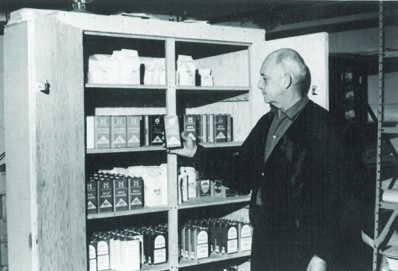
By the 1970s, Bruce and his sons Bob and JB Hodgdon (my father and my uncle) had their eyes set on the muzzleloading community. The demand for a safer, easier-to-handle substitute for black powder was present, but no manufacturers had yet managed to crack the code on a solution. My grandfather, father, and uncle saw not only the demand, but also the opportunity to innovate.
In the early 1970s, Dan Pawlak—a brilliant, self-taught chemist and explosives engineer from Seattle—emerged as the driving force behind the development of Pyrodex. A prolific inventor, he held several patents, including one for a handheld blasting cap for Primacord.
Dan’s professional background was equally impressive: He served as a manufacturing engineer for the Explosives Corporation of America, developed emergency flares for firearms, consulted for various companies in the shooting industry, and was deeply involved in both fireworks and cinematic pyrotechnics.
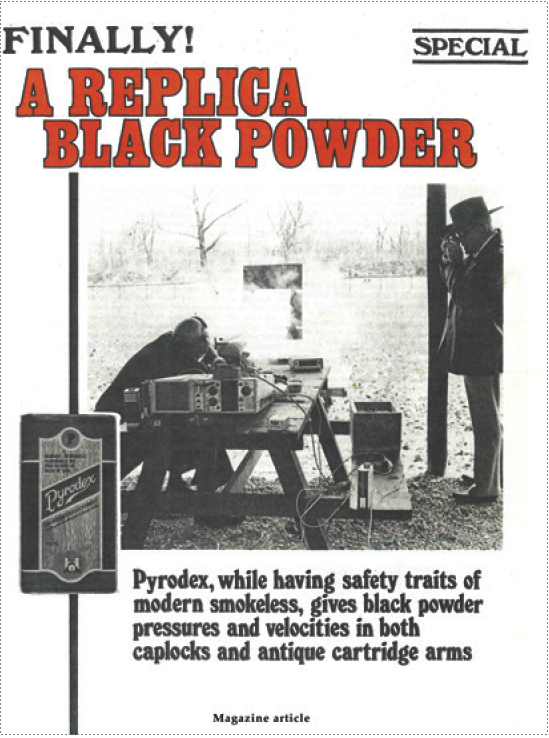
In 1972, using his own limited funds, Pawlak built a laboratory next to his house equipped with pressure transducers, oscilloscopes, and high-speed cameras. He partnered with fellow explosives engineer Mike Levenson and firearms expert Pat Yates to develop a formulation on paper they named Pyrodex—“pyrotechnic deflagrating explosive.” Thompson/Center provided barrels for testing this new propellant, and in 1975, T/C’s Warren Center introduced Pawlak to my father, Bob Hodgdon. My father and Dan Pawlak immediately hit it off, and recognizing the potential of Pawlak’s invention, the Hodgdon Powder Company entered into agreement for exclusive distribution with Pawlak in 1975.
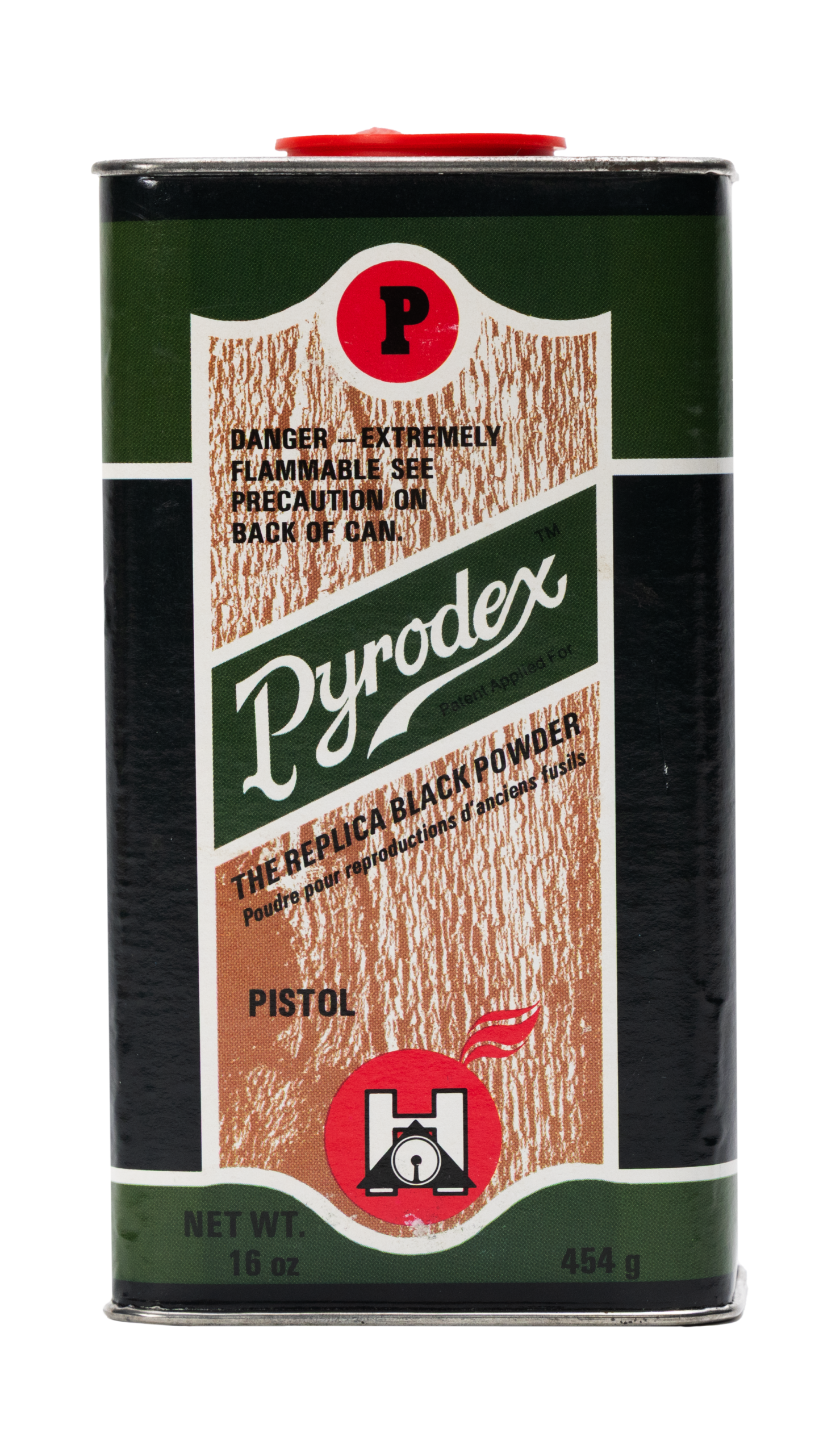
By January 1976, the Pyrodex Corporation was established, with Pawlak as president, and production began at a new plant in Issaquah, Washington. The new Pyrodex propellant was introduced to the shooting community at the NRA Annual Meetings in the summer of 1976.
Tragically, on January 27, 1977, a fire at the Pyrodex facility in Washington claimed the lives of Pawlak and three employees. Despite this loss, Hodgdon remained committed to Pyrodex’s future. The company acquired majority interest in Pyrodex and, in April 1979, incorporated the Pyrodex manufacturing processes into Hodgdon’s packaging and shipping facility in Herington, Kansas, ensuring the continued availability of this innovative propellant.
Pawlak’s contribution to firearms technology endures through Pyrodex’s widespread use, offering shooters a safer and more accessible alternative to traditional black powder. The breakthrough came through collaboration with chemists who understood the dynamics of combustion and pressure curves in black powder firearms. The result was Pyrodex—a powder that mimicked the ballistic performance of black powder but was chemically distinct.
Unlike traditional black powder, Pyrodex used a base of potassium perchlorate, along with graphite, sulfur, and other stabilizing agents. This made it significantly less sensitive to spark and static discharge. Critically, it was not classified as an explosive under the Bureau of Alcohol, Tobacco, and Firearms (BATF) regulations. This distinction meant Pyrodex could be shipped and sold more easily than black powder, without the need for specialized magazines or federal explosives licenses.
Pyrodex quickly drew attention for its cleaner burn and reduced fouling. Shooters noticed they could go longer between cleanings, and modern inline muzzleloaders performed more consistently with it. Although Pyrodex was about 30 percent less dense than black powder—meaning it required more volume to match performance—it was otherwise a seamless transition for shooters accustomed to traditional loads.
Despite its advantages, Pyrodex was not universally accepted at first. Traditionalists questioned its legitimacy and authenticity, and some reenactment groups continued to insist on real black powder. Furthermore, early versions of Pyrodex could be slightly harder to ignite in flintlock firearms, prompting further refinement and guidance from Hodgdon to ensure proper priming and ignition.
But practicality won out. Hunters appreciated the ease of use, reduced residue, and improved safety profile. Shooters and hunters loved that muzzleloader firearms no longer required immediate cleaning. Retailers embraced Pyrodex for its lighter regulatory burden. And by the mid-1980s, Pyrodex had become the dominant black powder substitute in the U.S., outselling real black powder by wide margins.
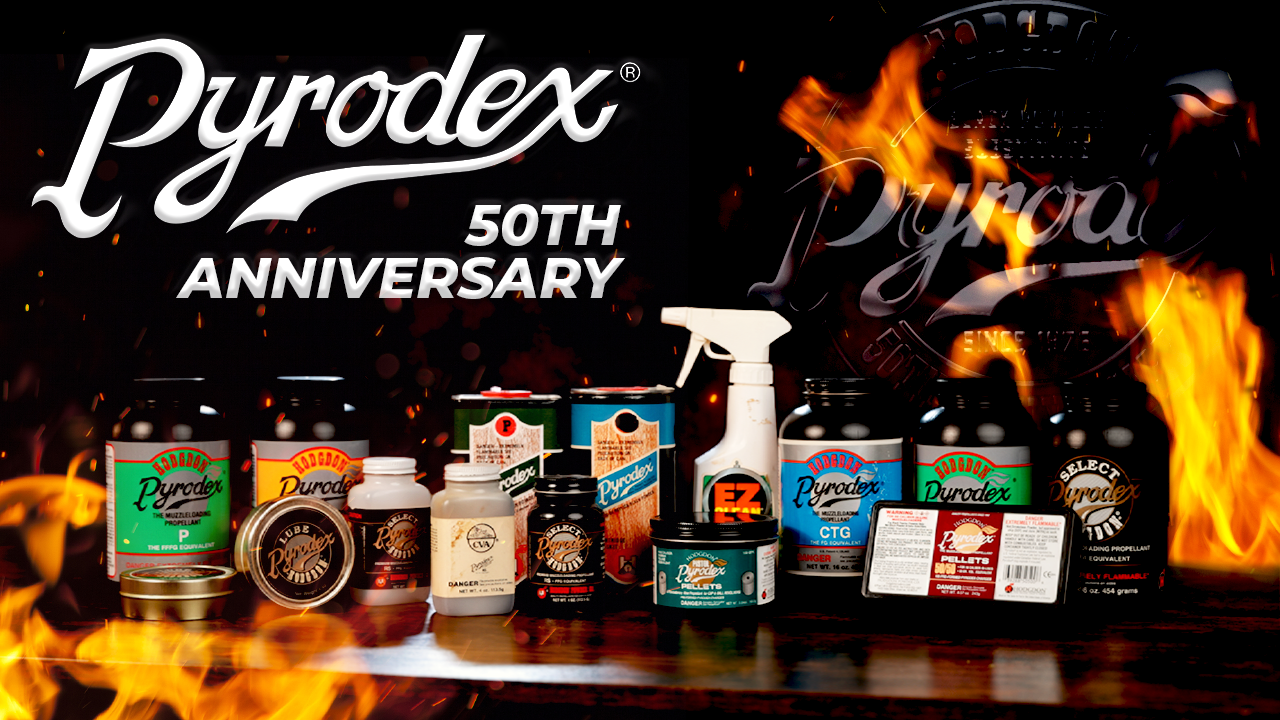
We initially launched Pyrodex in two forms to cater to different needs: Pyrodex RS (Rifle/Shotgun): Designed for use in muzzleloading rifles and shotguns. Pyrodex P (Pistol): With finer granulation, tailored to percussion revolvers and cap-and-ball pistols.
Later, Hodgdon would introduce Pyrodex Select, which was a premium grade with tighter burn tolerances, favored by competitors for its consistency. Then in 1996, Hodgdon also introduced Pyrodex Pellets, preformed cylindrical charges designed for quick and mess-free loading—especially popular among hunters seeking speed and simplicity in the field.
The introduction of Pyrodex Pellets coincided with a surge in the popularity of inline muzzleloaders, such as Tony Knight’s Knight Rifles MK-85, which emphasized ease of use and quick reloading. The pellets’ design catered to this market by simplifying the loading process and improving shot-to-shot consistency. Their success led to the development of various pellet sizes and calibers to accommodate different firearms. The convenience and performance of Pyrodex Pellets contributed to their widespread adoption among muzzleloading enthusiasts, solidifying Hodgdon’s reputation for innovation in the field of black powder substitutes.
Hodgdon (and Dan Pawlak) didn’t merely ride the wave of muzzleloading’s popularity—we like to think we fueled it.
Hodgdon’s gamble on Pyrodex paid off—not just commercially, but historically. This product preserved the spirit of black powder shooting while adapting it for modern users. My father Bob and Uncle JB’s commitment to supporting the muzzleloading community with reloading data, safety information, and educational materials further cemented their roles as stewards of the sport.
In the five decades since its introduction, Pyrodex has remained a staple in the muzzleloading world. Its success spurred additional innovation from Hodgdon and competitors, including products like Triple Seven (a sulfur-free substitute with even less fouling), IMR White Hots (a clean-burning muzzleloading propellant available only in preformed charges), and Blackhorn 209 (a high-performance powder designed for modern inline rifles). Yet Pyrodex remains uniquely positioned in the market—offering an ideal balance between tradition and practicality. Beyond its utility, Pyrodex also represents something deeper: the vision of our family company that has continually adapted to the changing needs of American shooters. Hodgdon (and Dan Pawlak) didn’t merely ride the wave of muzzleloading’s popularity—we like to think we fueled it.
The story of Pyrodex is one of chemistry, entrepreneurship, and preservation. By creating a synthetic substitute that maintained the spirit of black powder shooting while overcoming its challenges, Hodgdon Powder Company ensured the growth and accessibility of a centuries-old tradition. Today, Pyrodex is not just a propellant—it is a bridge between past and present, between flintlock and fiber optic, between tradition, history, and modern hunting.
NOTE: For more stories like this, please check out The Gunpowder People book, available for sale on Hodgdon’s website.
- 1947Bruce Hodgdon founds the Hodgdon Powder Company.
- 1972Dan Pawlak builds his home laboratory and begins developing Pyrodex.
- 1975Hodgdon signs an exclusive distribution agreement with Pawlak.
- 1976Pyrodex debuts at the NRA Annual Meetings.
- 1977A fire at the Washington facility claims Pawlak and three employees.
- 1979Pyrodex production moves to Herington, Kansas.
- 1996Pyrodex Pellets bring preformed charges to inline muzzleloaders.
- 2026Pyrodex marks 50 years as the original black powder substitute.

More Hodgdon History
The Gunpowder People
The full Hodgdon story, from Bruce Hodgdon’s first surplus powder sales to the brands handloaders trust today. Get your copy of the official Hodgdon history book.
Get the Book50 Years Later, Pyrodex Is Still Fueling the Tradition
Shop Pyrodex Products